
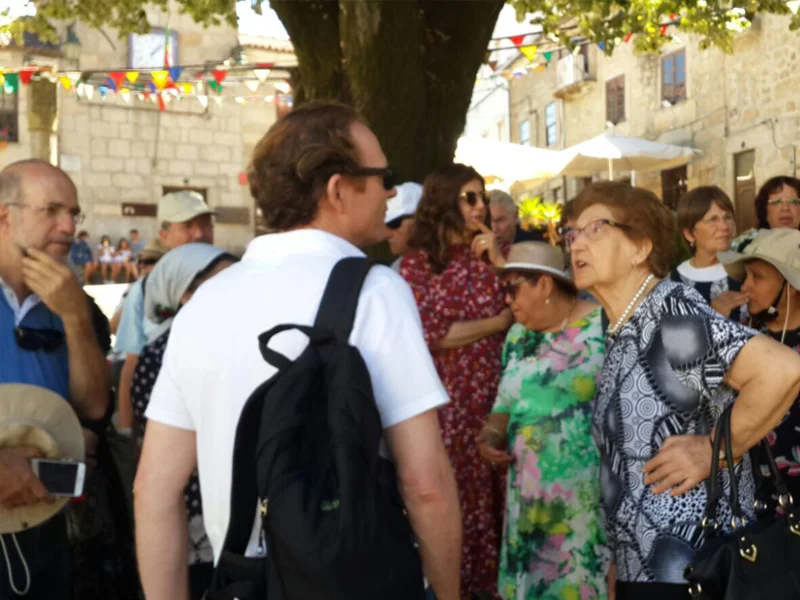
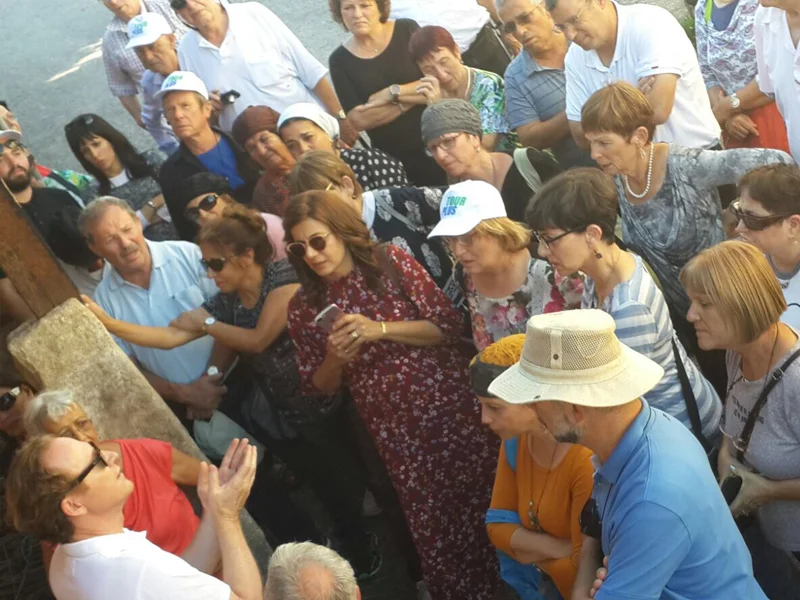
In Portugal, some of our kings provided the Jews, with social and economic prosperity, in return for services to the Portuguese Crown. After being expelled in 1496, many left the country to the North of Europe, America, Brazil, and Turkey.
Meanwhile, in the Beira region, our Jewish rural communities hid as Conversos or New Christians used to practice their religion secretly. From this emerges a uniquely Jewish culture by the name of, Crypto-Judaism. The B’nei Anussim preserved their rites and culture in secrecy, avoiding marriages out of the Jewish community. They were Catholics outside but faithful to Judaism in their hearts and homes.
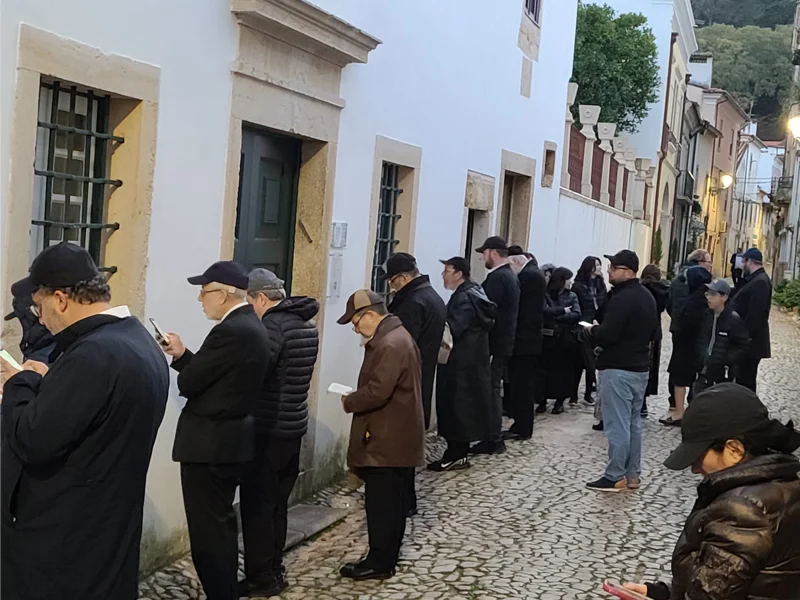
Jewish life in rural Portugal and its legacy left in this region are undeniably part of Portugal’s history. From typical Jewish products, buildings, and old traditions, Jewish historical heritage is a testimony of Portugal’s Jewish history. Moreover, this Jewish identity is still visible in Portugal today.
Discover the Jewish Portugal by the presence of Jews and New Christians in some ancient medieval towns is attested by the large number of entries cruciforms and other brands registering their “Christianization.”
Here we have determined from remote times by the records auctioning of rights in rem in the first half of the fifteenth century by the Jewish Solomon Navarro. Geographical situation and the abundance of water led to the establishment of activities related to the work of wool and its transformation, which lasts until today.
It is worth noting some examples of architecture in the sixteenth and seventeenth centuries. These examples show us cruciform architecture and typical houses attributed to Jews and New Christians to the ground floor where was the trade/workshop and their residence on the first floor.
Jewish presence in this area of Portugal and the New Christians is visible by the high number of cruciform inscriptions in this ancient region. As a result, it is a testimony of their “Christianization” in Portugal and Jewish identity.
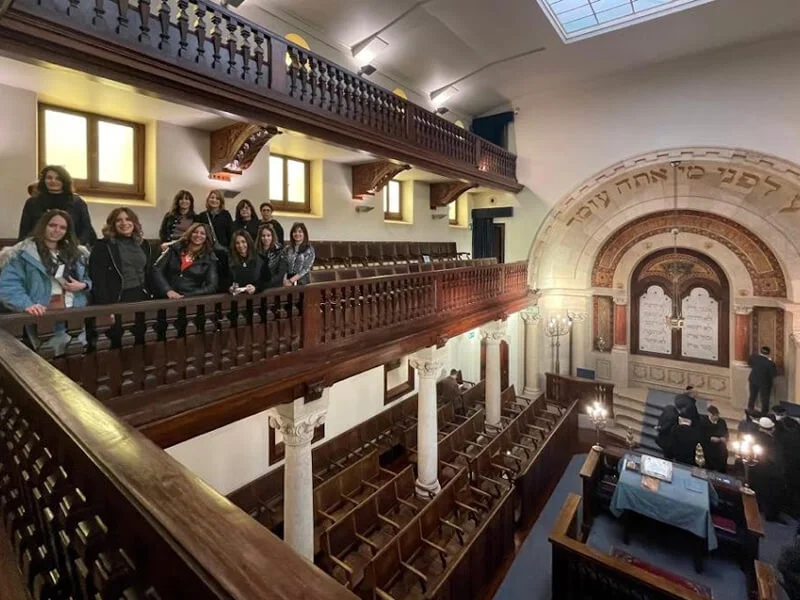
Different houses stand out from the main churches, dating from the 15th-16th century. Inside the one closest to the Catholic temple, we can find a Hekhal or Aron-ah-Kodesh (Law Cabinet) adapted by the Jews in Portugal.
Some types of cruciforms are, for example, a fact of Jewish presence in different urban groups. However, the Latin Cross has a double interpretation of Jewish and Catholic decoration. In addition, the Star of David in the manor and decorated houses, bridges, and fountains of medieval architecture.

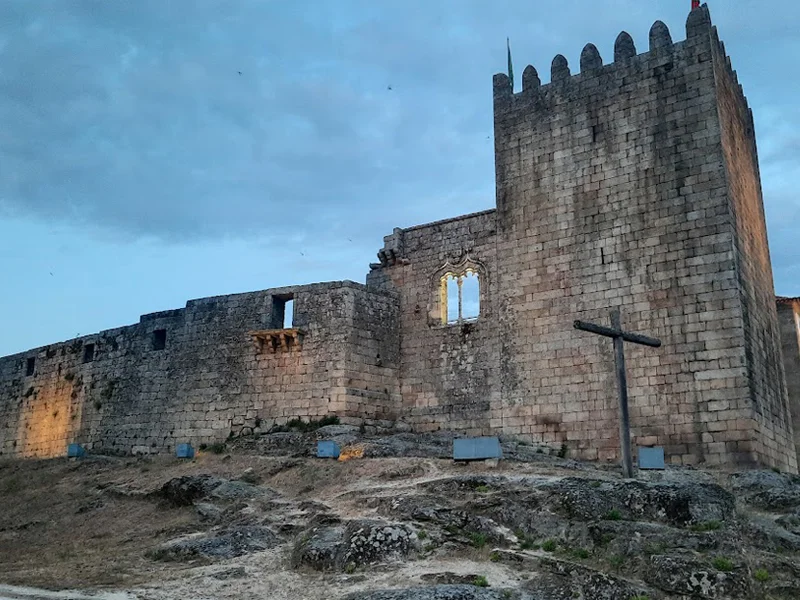
Belmonte Portugal is a special town with lots of history and culture. It is located in the central part of Portugal. Belmonte is known for its old castle, Jewish history,
Tile Art in Portugal dates back more than 500 years. The country’s craftsmanship with ceramic tiles, basalt, and limestone is what truly sets it apart visually from the rest of
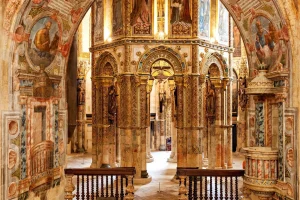
The Knights Templar in Portugal: A Journey Through Time The Knights Templar in Portugal left an indelible mark on the country’s landscape and history. From the 12th to 14th centuries,
This website uses cookies to improve your experience. We'll assume you're ok with this, but you can opt-out if you wish. Read More
| Name | Domain | Purpose | Expiry | Type |
|---|---|---|---|---|
| wpl_user_preference | realembraceportugal.com | --- | 1 year | HTTP |
| _cfuvid | challenges.cloudflare.com | --- | session | HTTP |
| wpl_viewed_cookie | realembraceportugal.com | --- | 365 | HTTP |
| test_cookie | doubleclick.net | --- | 1 year | HTTP |
| Name | Domain | Purpose | Expiry | Type |
|---|---|---|---|---|
| _gcl_au | realembraceportugal.com | --- | 3 months | HTTP |
| Name | Domain | Purpose | Expiry | Type |
|---|---|---|---|---|
| _ga | realembraceportugal.com | --- | 2 years | HTTP |
| IDE | doubleclick.net | --- | 1 day | HTTP |
| Name | Domain | Purpose | Expiry | Type |
|---|---|---|---|---|
| elementor | realembraceportugal.com | --- | session | HTTP |
| Name | Domain | Purpose | Expiry | Type |
|---|---|---|---|---|
| wpl_tc_string | realembraceportugal.com | --- | 1 year | --- |
| IABTCF_AddtlConsent | realembraceportugal.com | --- | 1 year | --- |
| consent_version | realembraceportugal.com | --- | 1 year | --- |
| _ga_TPP15H3W8Y | realembraceportugal.com | --- | 2 years | --- |
| _gcl_ls | realembraceportugal.com | --- | 56 years | --- |
| _lscache_vary | realembraceportugal.tiagopx.com | --- | 2 days | --- |
| litespeed_docref | realembraceportugal.tiagopx.com | --- | 56 years | --- |